
Mınısterstvo selskogo hozáıstva RK
Kazakhstan's Agriculture Minister on Farmer Support, Water Scarcity, and Food Security
Kazakhstan's Minister of Agriculture, Aidarbek Saparov, has outlined a comprehensive vision for the nation's agricultural sector, emphasizing the need for fair compensation for farmers, innovative solutions to water scarcity, and robust food security measures. In a recent interview, Saparov addressed the sector's progress, challenges, and future strategies.
Adapting to Climate Change and Water Conservation
Recognizing the critical issue of water scarcity, the Ministry of Agriculture is actively developing strategies to adapt to climate change. Water-saving technologies are being widely implemented in irrigated farming. For instance, in the Turkestan region, the introduction of water-saving techniques in cotton cultivation has led to increased yields. While these technologies were initially used on a smaller scale, they now cover approximately 80,000 hectares, significantly boosting cotton productivity and conserving water.
The agricultural year began in late March in the southern regions and early May in grain-growing areas. This year, planting is planned across 23.8 million hectares, an increase of 180,000 hectares compared to last year. To optimize resource use, areas dedicated to water-intensive crops like rice and cotton, as well as monocultures such as wheat, will be reduced. Conversely, the cultivation of oilseeds, corn, and fodder crops will be expanded.
Combating 'Prıpıskı' and Enhancing Livestock Farming
Addressing the issue of inflated production figures, known as 'prıpıskı,' in the dairy and potato sectors, Saparov confirmed that measures are in place to rectify this. Through collaborative efforts with the Statistics Bureau and local administrations, data accuracy is being improved to prevent misinformed decision-making. A comprehensive monitoring system for both crop and livestock production is being established to ensure continuous data flow across all stages.
A detailed plan for developing the livestock sector has been approved, building upon previous roadmaps. While past programs focused on strengthening livestock farming and establishing production chains, there were shortcomings in state support administration and insufficient attention to dairy and poultry farming. The new plan emphasizes preferential lending and encompasses various types of livestock and farming operations, aiming to increase herd size and productivity over the next five years.
Modernizing Veterinary Services and Ensuring Food Independence
Investment in veterinary infrastructure has been historically low, leading to outdated facilities. However, this is changing, with significant funding allocated for modernization in 2024. This includes the construction and renovation of 593 veterinary facilities, with plans for 72 veterinary stations and 1,300 veterinary points. To address the shortage of qualified personnel, salaries for veterinary specialists have been increased, with 22 billion tenge allocated for this purpose.
Kazakhstan aims for self-sufficiency in 35 socially significant food product categories. Notable growth has been observed in poultry, dairy products, and fish production. Locally grown cucumbers and tomatoes are available year-round. However, imported products often remain competitive due to substantial state support in their countries of origin. Kazakhstan's agricultural support level stands at 6%, significantly lower than Belarus's 22%. The ministry is working to reduce production costs, build storage facilities, and expand export markets.
Strategic Importance of Sugar Production and Export Growth
Domestic sugar production, primarily from sugar beets, currently meets only 23% of the national demand. Previously, factories were hesitant to process sugar beets. However, following the introduction of preferential lending and subsidies in 2024, the total sugar beet harvest increased by 2.5 times to 1.3 million tons. With insufficient processing capacity, plans are underway to construct new factories. The sugar industry is strategically vital for the country's food security and the development of related sectors like beverages and confectionery.
In 2025, agricultural exports reached 7.2 billion USD, driven by grains, oilseeds, pasta, and other processed products. This export growth, including a threefold increase in sunflower oil exports over the last three years, brings significant foreign currency revenue. Processed products now constitute 51.4% of total exports, indicating a qualitative shift towards higher-value goods.
Transforming State Support and Embracing Digitalization
The state support system for agriculture is undergoing a phased transformation since 2024, aiming for greater efficiency, sustainability, and transparency. While subsidies will not be entirely eliminated, the focus is shifting towards preferential lending. This approach not only allocates budget funds but also ensures their return. Current preferential lending products cover livestock purchases, breeding stock acquisition, and working capital for processing enterprises. Future plans include financing for elevators, grain storage, greenhouse complexes, and horticulture.
Effective agricultural development hinges on digital solutions and data management. The creation of a continuous accounting system for agricultural products requires the digitalization of business processes for agricultural entities. The ministry plans to integrate its existing digital systems into a unified "e-APK" platform, serving as a "single window" for farmers. As per the President's directive, data from state information systems will be consolidated into a unified "data lake.".
Addressing Labor Shortages in Agriculture
A global challenge, labor shortage in agriculture affects Kazakhstan, with an estimated deficit of 63,000 specialists. Factors contributing to this include inadequate living conditions in rural areas, a lack of kindergartens, extracurricular activities, and medical services, coupled with low wages. As part of the rural development concept, investments are being made in schools, medical facilities, and housing. Saparov expressed confidence that comfortable living conditions will foster a stable and prosperous agribusiness. The introduction of digital technologies in enterprises is increasing labor productivity. The President's emphasis on vocational training is expected to enhance the appeal and prestige of agricultural professions.
Bul týraly Infohub.kz aqparat agenttigi habarlaıdy.
-
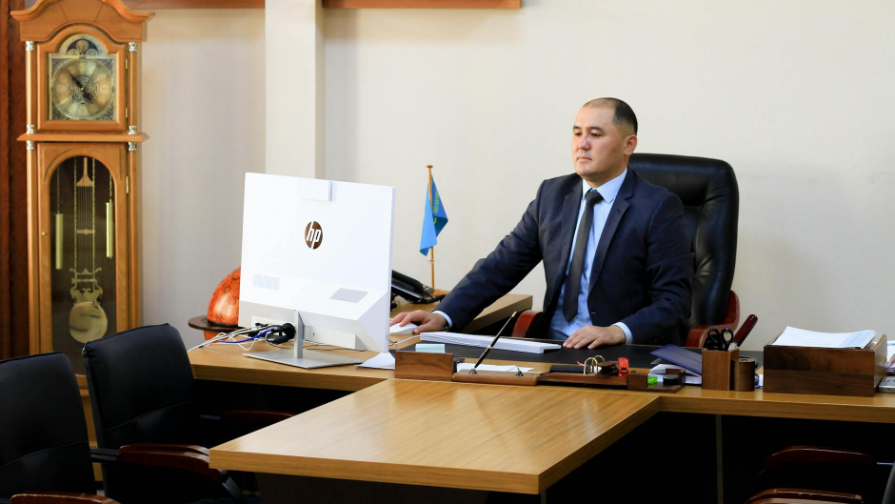
QR Aýyl sharýashylyǵy mınıstri Aıdarbek Saparovpen AÓK-ti damytý, sý tapshylyǵy, azyq-túlik qaýipsizdigi jáne fermerlerdiń áleýmettik jaǵdaıy týraly suhbat.
-
Qazaqstandyqtardy Blıǵi Shyǵystan evakýasıalaýǵa memleket shamamen 4 mıllıon dollar jumsady. Bul týraly Kólik mınıstri Nurlan Saýranbaev málimdedi.