
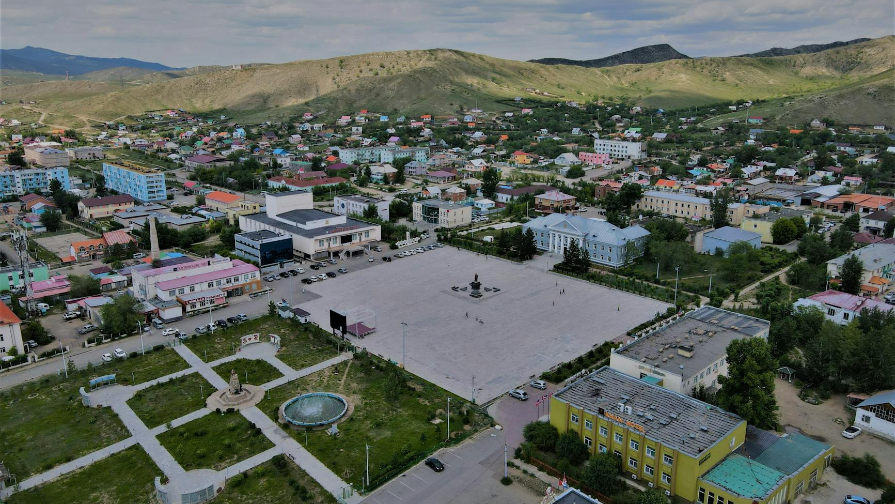
Photo: Ayazhan (https://www.pexels.com/@ayazhan-3173683) / Pexels
Kazakhstan's New Tax Rule: Undeclared Cash Savings Now Subject to Levy
Kazakhstan is introducing a significant change under its universal declaration system, requiring citizens to potentially pay taxes on cash savings accumulated in the past. This new development has sparked considerable surprise and questions among the public regarding its legality and implications.
Taxation on Accumulated Savings
A key concern for many is the legality of taxing money saved over decades. While some argue this violates the principle of non-retroactivity of laws, tax experts clarify the framework behind this new regulation. The primary goal of the universal declaration system is to ensure fair taxation, improve social policy, and create an effective mechanism for monitoring individual incomes, thereby reducing corruption and the shadow economy.
The 'Income' Declaration and Its Significance
According to tax expert Gulvira Abey, the declaration process began in stages from January 1, 2021. She emphasizes that all citizens must declare their assets and cash savings through the 'income' declaration form (Form 250.00). Any cash accumulated prior to this system must be declared. Only funds declared in this form, up to 10,000 MCI (Monthly Calculation Index), or money held in bank accounts are officially recognized by the state. Failure to declare cash holdings means citizens may be required to pay a 10% tax on such funds, as they cannot prove their legal origin.
Digitalization and Tax Control
Even for citizens exempt from submitting declarations, tax control remains effective due to the digital integration of government databases, a high share of cashless transactions, and automated monitoring. While some citizens find the requirement to prove income sources burdensome, experts note that digitalization automates much of this process. Assets previously declared in Form 250 are not subject to re-verification; only the amount of cash savings needs to be added by the individual.
Audits and Explanations
Citizens may receive notifications about discrepancies between income and expenses following a cameral audit. However, this does not automatically mean tax is levied. Individuals have 30 working days to explain the situation. For instance, if income cannot be officially confirmed, assistance from parents or relatives can be cited. Loan agreements between relatives do not require notarization; a promissory note is sufficient.
Loan Agreements and Liabilities
If a loan is taken from friends or partners rather than relatives, the agreement must be notarized. Notarized loan agreements are considered a legal source of funds. Penalties can range up to 15 MCI for late reporting, 3 MCI for errors, and up to 200% of the unpaid tax amount for concealing assets. For civil servants, if expenses exceed income by more than 1,000 MCI, the fine is 90%.
Legalization Options
Experts suggest there is one primary way to legalize previously unaccounted-for funds: by submitting an additional Form 250 declaration and declaring the cash. This method helps avoid additional taxes. The expert believes increased oversight will reduce the shadow economy, requiring confirmation of 'clean' income for major purchases while smaller expenditures may go unnoticed.
Ultimately, citizens have two choices: either pay a 10% tax on undeclared income or legalize it through available legal channels, such as declaring it via a simplified system with a 3% rate, for example, through individual entrepreneurship.
This information is reported by the Infohub.kz news agency.

-
Elimizde jalpyǵa birdeı deklarasıalaý júıesi aıasynda buryn jınaqtalǵan aqshalaı qarajattarǵa da salyq salyna bastady. Bul jańalyq kópshiliktiń tańdanysyn týdyrdy.
-
Izvestnaıa pevısa Gýlmıra Izbasqan otvetıla na krıtıký svoeı vneshnostı, sdelav otkrovennoe prıznanıe.