
newtimes.kz
Astana's Two Shores: Exploring the Contrasts Between Left and Right Banks
Astana, the capital of Kazakhstan, presents a fascinating duality with its distinct left and right banks, each offering a unique urban experience. While both shores contribute to the city's vibrant identity, they differ significantly in architecture, atmosphere, and lifestyle, catering to diverse resident preferences.
The Modern Metropolis: Left Bank's Architectural Marvels
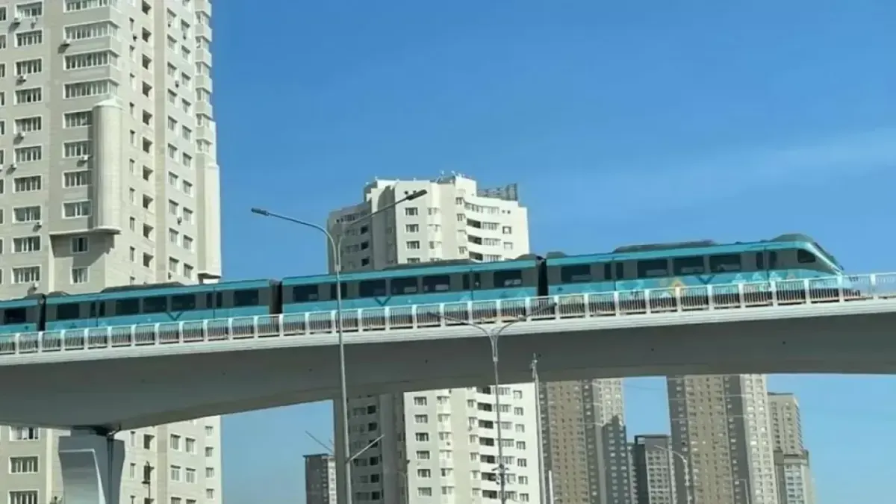
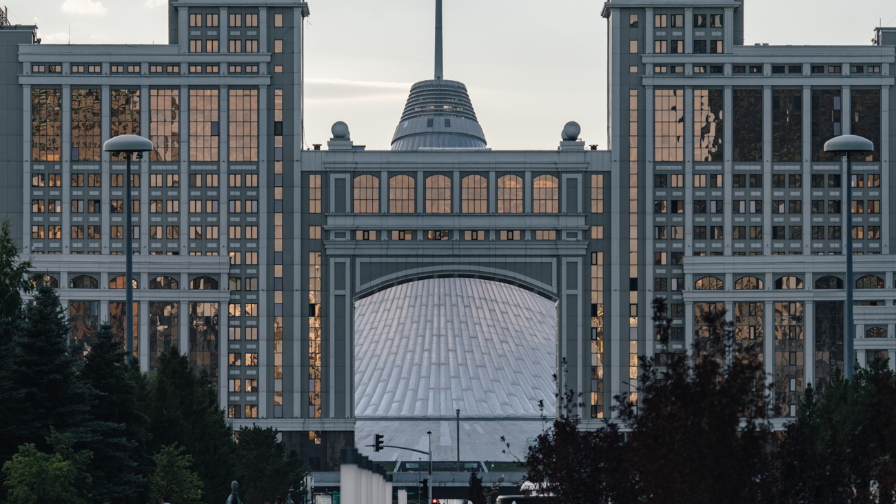
The left bank is widely perceived as the new, technologically advanced heart of Astana. It's characterized by its modern architectural designs, featuring sleek glass facades, efficient lighting, and towering structures that have become iconic symbols of the contemporary capital. This area is home to large residential complexes, bustling shopping and entertainment centers, and key government institutions.
Many residential developments here are built on the 'city within a city' principle, offering residents immediate access to shops, cafes, and services right outside their doors. This convenience is particularly evident in the evenings, when the left bank comes alive with light and activity, presenting a dynamic image to visitors.
Challenges of Rapid Development
However, the dense construction on the left bank presents practical challenges. The close proximity of buildings can lead to difficulties with parking, access for emergency vehicles, and general accessibility within courtyards. Concerns have also been raised about the uniformity of architectural styles in newer districts, potentially leading to a loss of distinct urban character. The frequent use of foreign words and city names in branding further prompts discussions about reflecting Kazakh culture more prominently in the urban landscape.
The Established Charm: Right Bank's Familiar Comfort
In contrast, the right bank offers a more familiar and established environment. It retains many buildings from the Soviet era, with courtyards and blocks that harken back to the city's history as Tselinograd. While new residential buildings are being constructed, they are often integrated into the existing urban fabric. However, this area also grapples with older infrastructure that requires modernization, including engineering networks and a portion of the housing stock.
The right bank is generally perceived as having a calmer urban pace. Streets are less frequently closed for events, and traffic restrictions are fewer. Many residents appreciate the greener environment, with more mature trees, established squares, and residential blocks contributing to a more relaxed atmosphere.
Transportation and Walkability
A notable advantage of the right bank is its reduced traffic congestion and more compact planning, making many routes shorter and more convenient. The left bank, with its wide avenues and large interchanges, creates a sense of spaciousness but can be less pedestrian-friendly, with longer distances between crossings, especially noticeable during winter.
The right bank's layout, with its Soviet-era planning and established street networks, is often considered more conducive to daily strolls. However, its older housing stock and the need to upgrade certain infrastructure remain significant drawbacks compared to the newer districts on the left bank.
Shared Urban Issues and Distinct Centers
Parking remains a common challenge for both banks, with the increasing number of vehicles straining the capacity of older developments. While underground parking offers some relief on the left bank, the right bank often sees cars parked in courtyards and along roadsides.
Recreational infrastructure also differs. The right bank has more traditional walking areas and squares, but fewer large shopping centers. The city itself lacks a single classical center, instead featuring multiple local hubs. On the right bank, these include areas around the "Kazakh Eli" monument and the Palace of Peace and Accord. The left bank's focal points include Baiterek Tower, Khan Shatyr, and the EXPO area.
Functionally, the right bank continues to serve as the city's industrial and logistical hub, housing warehouses and production zones. The left bank is oriented towards administrative services, business, and public life. This division means goods often move through the right bank, while events and business activities concentrate on the left.
Ultimately, Astana's development has resulted in two distinct shores, each fulfilling different roles. One serves as the administrative and business core, while the other preserves a familiar urban environment. This harmonious coexistence defines the capital's current multifaceted character.
Bul týraly Infohub.kz aqparat agenttigi habarlaıdy.
-
FIFA is implementing several new regulations for the 2026 World Cup, aiming to enhance game flow, reduce delays, and enforce stricter discipline on the field.
-
Stalı ızvestny rezýltaty kompleksnoı psıhologo-psıhıatrıcheskoı ekspertızy v otnoshenıı Akbaıan Mýkangalıevoı, byvsheı sýprýgı Sýltana Sarsemalıeva.