
tengrinews.kz
Kazakh Traditions of Gift-Giving: Understanding Shoke, Baigazy, and Korimdik
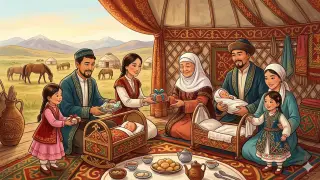
In the heart of Kazakh culture lies a deep-rooted tradition of gift-giving, embodied by customs such as 'Shoke,' 'Baigazy,' and 'Korimdik.' While these terms might sound unfamiliar to some younger generations, they represent more than just presents; they are symbols of shared joy, support, and community connection.
The Essence of Traditional Support
Unlike modern monetary exchanges, traditional Kazakh gifts were not primarily about financial value. Instead, they served as tangible expressions of solidarity, signifying participation in each other's happiness and hardships. Cultural expert Albina Sarieva notes that these practices were crucial in strengthening family ties and fostering a sense of mutual reliance among people.
Monetary and Symbolic Gestures in Kazakh Culture
Many urban dwellers today may struggle to differentiate between 'Baigazy' and 'Shoke,' yet these traditions were once integral to daily life. Sarieva highlights that these customs often incorporated elements of both gifts and offerings, reflecting a nuanced approach to expressing goodwill.
Qursaq Toy: Celebrating New Beginnings
The 'Qursaq Toy' is a celebration dedicated to expectant mothers, aiming to honor new life and offer support to the mother-to-be. Friends and family gather to congratulate the growing family, often presenting gifts or monetary contributions. This tradition shares similarities with contemporary 'gender reveal' parties.
Bazarliq: Thoughtful Returns from Journeys
'Bazarliq' refers to the gifts brought back by someone returning from a trip. Even a small item carries significant symbolic weight, reminding loved ones that they were remembered during the traveler's absence.
Shoke: Strengthening Kinship Bonds
'Shoke' involves small gifts or sums of money given on various family occasions. It acts as a token to reinforce the bonds between relatives and close acquaintances.
Suyinshi: Rewarding Good News
'Suyinshi' is a reward given for delivering joyful news. For instance, the first person to announce the birth of a child might request 'suyinshi' and receive a gift, symbolizing the sharing of happiness and the significance of the event.
Baigazy: Gifts for the Young
'Baigazy' is a gift given for a new possession, often intended for children. When a child proudly displays new clothing or shoes, adults might offer them money as 'Baigazy.'
Korimdik: Appreciating the New
'Korimdik' is a gift presented upon seeing a newborn baby or a newly acquired item. These traditions facilitated the sharing of not only material resources but also emotional wealth within the community.
Evolving Traditions: City vs. Countryside
Today, a noticeable difference exists in how these traditions are observed between urban and rural areas. City celebrations are often more intimate, with monetary transfers frequently handled via digital banking apps. In contrast, rural communities tend to share in a neighbor's joy collectively, maintaining tighter social connections.
Why Are Kazakh Gift Amounts Changing?
Many observe a decrease in the monetary value of gifts. Experts suggest this shift isn't due to a decline in tradition itself but rather other influencing factors. Modern families face numerous expenses, including housing, loans, and children's education, leading to more cautious monetary gift-giving. Furthermore, the format of celebrations is evolving. While the core meaning of gift-giving—supporting loved ones and sharing happiness—remains, the customs are adapting to contemporary trends, with personal gifts sometimes replaced by online transfers or pre-arranged presents.
Bul týraly Infohub.kz aqparat agenttigi habarlaıdy.


-
Kazakhstan, Uzbekistan, and Azerbaijan are establishing a new energy route via the Caspian Sea to export clean electricity, hydrogen, and ammonia to Europe.
-
Qazaqtyń tuńǵysh ǵaryshkeri Toqtar Áýbákirov ǵaryshqa qatysty talaıdan beri aıtylyp júrgen ańyz ben óziniń basynan keshken tańǵajaıyp oqıǵany baıandady.