
static.tengrinews.kz
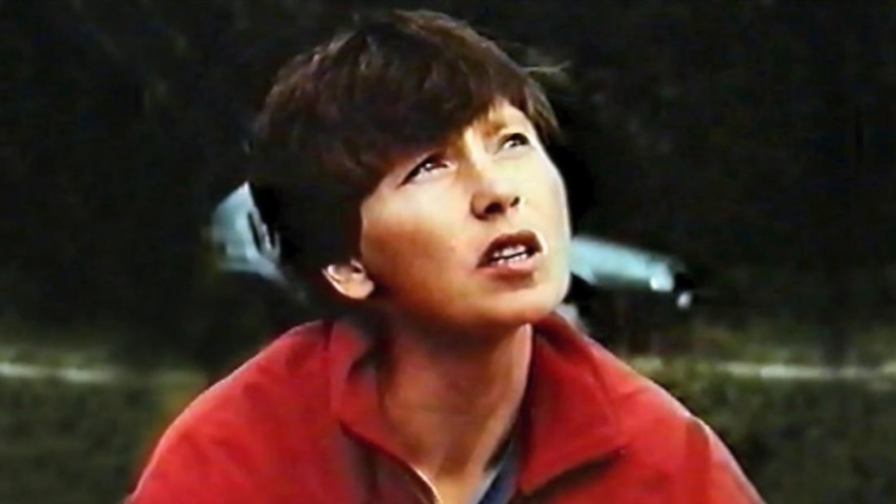
Kazakhstan's Everest Pioneer: The Inspiring Story of Yekaterina Ivanova
Yekaterina Ivanova (Dorofeyeva)، born in the East Kazakhstan region on April 1، 1962، etched her name in history as the first and only Soviet woman to summit Mount Everest. Her passion for mountains evolved into a lifelong pursuit، and her courage and destiny are remembered.
A Love for the Mountains
Ivanova grew up in the village of Kurchum، nestled at the foot of the Altai Mountains، an area known for its harsh climate. From a young age، she was energetic and active، drawn to climbing and sports. Despite her outward gentleness، she possessed an inner resilience، a combination of an open، dreamy، and kind nature with a determined spirit when pursuing her goals.
After finishing school، she enrolled in the geological exploration faculty، transforming her fascination with mountains into a competitive sport. By 1983، she had earned the title of Candidate Master of Sports in mountaineering and was a first-category skier. She later conquered the five highest peaks of the Soviet Union، earning the prestigious "Snow Leopard" award.
These achievements propelled her to the forefront of sports. In Soviet mountaineering، where establishing trust for women was challenging، Yekaterina proved her strength and capability.
"Her friends who climbed with her say she was full of energy and inspired those around her. Her energy، motivation، and physical strength were astonishing. She even surpassed some male athletes in certain sporting standards. Yet، all this was combined with a childlike purity،" recalls her daughter، Ulpanai.
Conquering Everest: The Roof of the World
Mount Everest، also known as Chomolungma، stands as the planet's highest point. For mountaineers، it's more than just a mountain؛ it's a symbol of the limits of human potential. At 8،848 meters، it's an extreme zone where the body operates under immense strain: oxygen deprivation makes every movement difficult، extreme cold and wind are draining، and any mistake can be fatal.
In 1990، Yekaterina Ivanova joined the international Soviet-Chinese-American expedition "Ascent of the World - 1990." This was not only a sporting endeavor but also a diplomatic project، uniting climbers from nations that were once political rivals. The goal was to demonstrate that even the most challenging peaks could be conquered together.
Before Everest، Yekaterina underwent rigorous selection. On May 10، 1990، she reached the summit of Chomolungma، becoming the first woman from the Soviet Union and the eleventh woman worldwide to climb Everest. It was a historic victory.
"Although my mother didn't speak the language، she made many friends with the Chinese and Americans during this expedition. Once، an American climber، Lavern Woods، suffered a detached blood clot in his leg and couldn't descend to base camp on his own. My mother، along with Alexander Tokarev، helped him down. After the expedition، the Americans invited her to the USA، offering to fulfill any wish. Yekaterina asked only for a parachute jump. She didn't ask for money or anything else. That's the kind of person she was! If something interested her، she would work tirelessly until she achieved her goal،" Ulpanai remembers.
Following this triumph، Yekaterina was awarded the title of Honored Master of Sports and received the "For Courage" medal. However، for Ivanova، Everest was just the beginning. She set her sights on conquering all 14 of the world's eight-thousanders.
The Fourteen Eight-Thousanders and Kangchenjunga
After Everest، Yekaterina Ivanova aimed for one of mountaineering's most formidable challenges: summiting all 14 peaks over 8،000 meters، located in the Himalayas and Karakoram ranges. At these altitudes، the "death zone" begins، where the human body cannot fully recover.
In 1992، Yekaterina conquered Shishapangma، followed by Manaslu in 1993. This brought her total to three eight-thousanders before her final expedition. These climbs were also fraught with danger and the loss of companions.
"I don't engage in mountaineering، so it's hard for me to grasp the energy of people like my mother. Perhaps they didn't perceive it as danger. Mountaineers develop survival reflexes. She knew she had survived many times and believed nothing would happen in the future،" says her daughter، Ulpanai.
In 1994، Yekaterina Ivanova set out for Kangchenjunga، the world's third-highest mountain at 8،586 meters. Located on the border of Nepal and India، it is considered one of the most challenging and dangerous peaks in the Himalayas، even earning the moniker "the mountain that kills women."
On October 10، 1994، Yekaterina Ivanova tragically died in an avalanche on Kangchenjunga at the age of 32. Her body was never recovered. At the time، her daughter Ulpanai was only three years old.
"I Wish I Was There With You"
Today، Ulpanai lives and works in China. While she didn't follow her mother's exact path، she has remained connected to sports. However، she notes that she only began to truly understand her feelings about her mother's death after turning 30.
"I tried to understand why my mother climbed mountains. It was her life، her dream. Her energy sought an outlet. Of course، some say she could have done other things. But it's easy to sit on the couch and leave comments on YouTube،" Ulpanai reflects.
Ulpanai cherishes her memories of her mother، expressing a deep wish to have been there with her. She proudly speaks of her mother's bravery and conveys her profound love.
Yekaterina Ivanova's story is not just about records and summits. It's a tale of a woman who pursued her dreams relentlessly and lived her life to the fullest. Though her life was short، it was brilliant، and her name continues to be remembered not only in the annals of world mountaineering but also within her family and in the heart of her daughter.
بۇل تۋرالى Infohub.kz اقپارات اگەنتتىگى حابارلايدى.

-
شىعىس قازاقستان وبلىسىنان شىققان ەكاتەرينا يۆانوۆانىڭ الپينيزمدەگى ەرلىگى مەن ءومىرى تۋرالى تولىق ماتەريال.
-
ۆ اكتاۋ بيزنەسمەنى وستانوۆيلي رابوتى پو وبنوۆلەنيۋ پاركا «اكبوتا»، وپاساياس پوتەري يستوچنيكوۆ دوحودا. اكيم گورودا پرەدلوجيل ۆاريانتى رەشەنيا پروبلەمى.