
Instagram / gov4c.kz_
Kazakhstan's 'Living Orphans': The Hidden Crisis of Fatherless Children
A growing number of children in Kazakhstan are being referred to as 'living orphans' – a term describing those whose fathers are legally registered but absent from their lives. This phenomenon, while not officially tracked, is raising significant concerns among experts and highlighting a gap in societal and governmental support structures.
The Unseen Reality of Fatherless Children
While the importance of a father's role is frequently discussed, Kazakhstan's official statistics do not provide a clear count of children growing up without their father's active involvement. Instead, data is fragmented, capturing figures for children born out of wedlock, birth records with missing paternal information, orphans, and cases involving court disputes and alimony. For instance, in 2025, 37,035 children were born to unmarried women, and 16,906 birth records lacked paternal details. However, these numbers don't necessarily equate to fatherless children, as some parents may cohabitate and raise children together.
Defining the 'Living Orphan'
The core issue, according to cultural expert Abylaikhan Kalnazarov, lies with fathers who are legally recognized but completely absent from a child's life. He coined the term 'living orphan' to describe this situation. Kalnazarov argues that society often places the primary responsibility for child-rearing on mothers, leading to harsher scrutiny of single mothers compared to fathers. This societal perception can exacerbate the challenges faced by these families.
Legal Recognition vs. Parental Presence
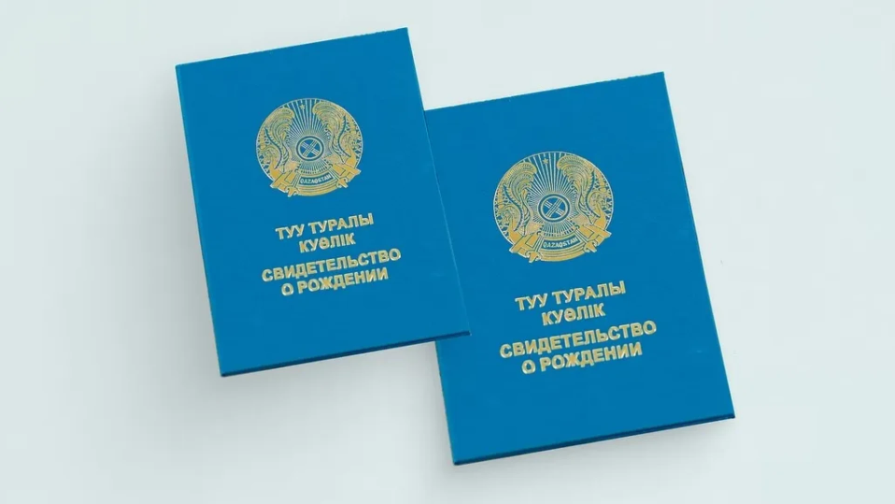
Lawyer Aziza Mukasheva explains that establishing paternity for children born outside of marriage can be pursued through legal channels, often relying on DNA testing, correspondence, photographs, and witness testimonies. While legal recognition can grant children rights to alimony, inheritance, and other benefits, a name on a birth certificate does not guarantee a father's actual participation in the child's upbringing. The situation is particularly poignant when a father is legally acknowledged but remains emotionally and physically distant, a form of 'betrayal' as described by Kalnazarov, where the child is aware of the father's existence but feels ignored.
Shifting Societal Perceptions
Sociologist Assem Kusmanova points out that the historical patriarchal model, which places the burden of child-rearing predominantly on women, still influences societal views. Despite women's increasing economic independence, fathers are expected not only to provide financially but also to offer emotional support. However, these shifts in expectations are not uniformly adopted across society.
Rethinking Terminology: 'Monoparental Families'
Sociologists advocate for abandoning the term 'bezotsovshchina' (fatherlessness), suggesting 'monoparental family' instead. This term is seen as less stigmatizing, acknowledging a family structure where one parent raises the child, most commonly the mother in Kazakhstan, but sometimes the father.
The Alimony Challenge
Discussions about fatherhood often lead to the issue of alimony. Mukasheva notes the difficulty in enforcing alimony payments when fathers hide their income, work informally, or transfer assets to relatives. Alimony is intended for the child's needs – food, clothing, and education – and both parents share the responsibility for their child's financial support.
Lack of Specific State Support
Monoparental families face significant material and economic challenges, yet their specific numbers are not reflected in state statistics. While the Ministry of Labor and Social Protection offers support for families facing various social risks, there is no separate statistical category for 'monoparental' families. This means families headed by a single parent may not qualify for specific state assistance unless they also fall into other categories, such as being large families or raising children with disabilities.
Conclusion: A Systemic Oversight
Ultimately, no single government agency can provide a definitive answer to how many children in Kazakhstan are growing up without their father's active presence. This includes children with legally registered fathers who are absent, fathers who disappear after divorce, those who fail to pay alimony, fathers stripped of parental rights, or those whose fathers exist only on paper. The system tends to address these situations only when legal disputes, debts, or crises arise, overlooking the systemic nature of family dramas that become social issues requiring recognition and resolution.
The Child's Well-being
Psychologists emphasize that a father's absence does not automatically equate to psychological trauma for a child. The crucial factor is how adults manage the situation. Children thrive on safety, stability, and emotional support. A child can develop well in a 'non-traditional' family if supportive and emotionally available adults are present. However, inconsistent or absent parental figures can foster anxiety, fear, and mistrust. For a child, consistent promises kept and genuine interest in their lives are more valuable than gifts, fostering a sense of security and self-worth.
Bul týraly Infohub.kz aqparat agenttigi habarlaıdy.

-
Resmı statısıka ákesiz ósetin balalardyń naqty sanyn kórsetpeıdi. Sarapshylar bul máseleniń qyr-syryn zerttedi.
-
Astana qalasyndaǵy Halyqaralyq qarjy ortalyǵynyń soty «Naftogazǵa» Reseıdiń «Gazpromynan» 1,4 mıllıard dollar óndirip alýǵa múmkindik berdi. Bul sheshim «Gazpromǵa» qarsy halyqaralyq sot sheshimin májbúrlep oryndatýdyń alǵashqy jarıa jaǵdaıy bolyp otyr.