
f.azh.kz
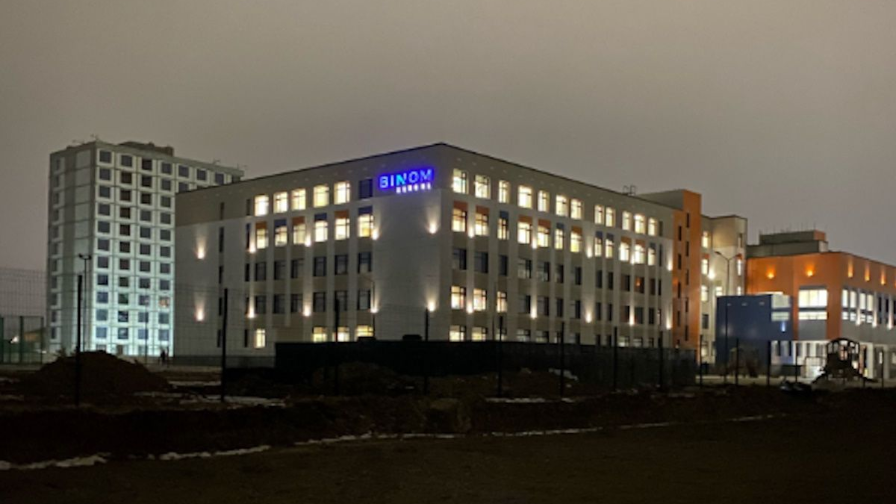
Atyrau BINOM Schools: 50 Billion Tenge Spent, But Where Did the Money Go?
Atyrau's BINOM school network has reportedly incurred costs nearing 50 billion tenge for construction and operation. However, the precise allocation and expenditure of these funds remain undisclosed by the education department, sparking parental concerns over declining educational quality.
Financial Transparency Under Scrutiny
The BINOM schools operate under a public-private partnership model, established to alleviate the shortage of student places. Despite this objective, numerous complaints have emerged from parents who claim a noticeable drop in educational standards. This has led some families to transfer their children to other institutions.
In response to these concerns, the editorial team submitted a formal inquiry to the education department. The request sought detailed information on the construction costs for Atyrau's four BINOM schools (including those under construction), the breakdown of state funding, total subsidies received in 2025, per-student funding amounts, and projected figures for 2026. A key question addressed was why BINOM schools incur significantly higher expenses compared to standard state schools, even when educational quality is perceived as comparable.
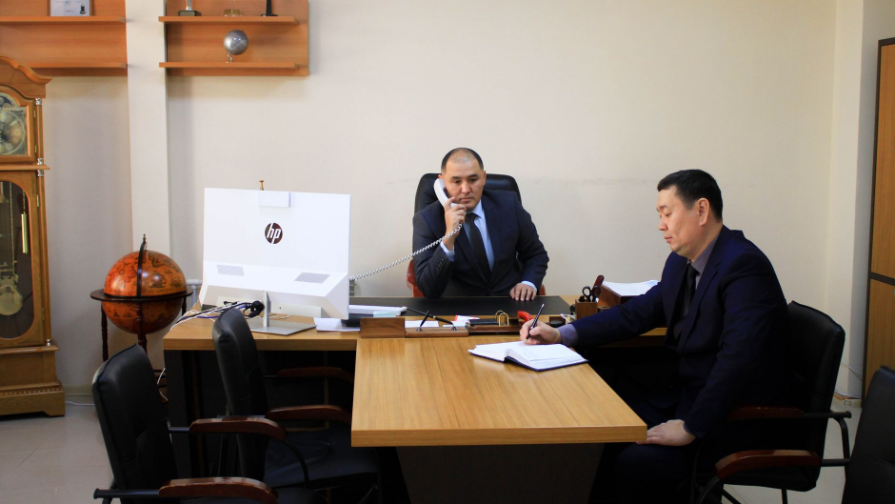
Laura Mendigalieva, acting head of the department, stated that the BINOM school projects comply with Kazakhstan's legislation, including the "On Public-Private Partnership" law. A total of 49 billion 464 million tenge has been contracted for the construction of these schools, with funding allocated through 2028, 2030, and 2031.
Funding Breakdown and Oversight
Between 2023 and 2025, 3 billion 576 million 500 thousand tenge was allocated and utilized from the budget. For 2026, 2 billion 637 million 400 thousand tenge is earmarked, with 879 million 100 thousand tenge already disbursed.
The department assured that financial oversight is conducted regularly by relevant state bodies. However, specific details regarding the expenditure structure and payment breakdowns were not provided in their response.
Student Enrollment and Parental Feedback
Questions regarding student numbers and parental dissatisfaction were also addressed. The editorial team requested statistics on the current student population and the number of students who transferred out of BINOM schools to other educational institutions during 2025 and the first quarter of 2026.
According to the education department, Atyrau's BINOM schools currently serve a total of 10,068 students. The breakdown includes:
The department noted that fluctuations in student numbers are a normal occurrence, attributed to factors such as residential changes, the opening of new schools, and parental preferences for different educational settings.
Educational Quality and Staffing
The third area of inquiry focused on educational quality. The editorial team sought a comparative analysis of student performance between BINOM schools and conventional state schools, along with evidence demonstrating improvements in the learning environment beyond material and technical resources. The issue of qualified staff shortages, despite parental complaints, was also raised.
The response indicated that education is delivered in accordance with Kazakhstan's "On Education" law, state standards, and relevant regulatory acts governing the educational process and assessment systems. Student achievement data is used to evaluate educational quality. While both state and private schools operate under a unified legal framework, private institutions possess a degree of autonomy in organizing their educational processes.
Teachers receive methodological support through state educational portals to enhance their pedagogical practices. Quality control of the educational process is managed by the regional administration of "Binom Atyrau" and school administrations.
However, fundamental questions regarding the cost per student, the amount received by schools through per-student funding, and confirmed advantages in educational quality remained unanswered by the education department.
Бұл туралы Infohub.kz ақпарат агенттігі хабарлайды.

-
Kazakhstan's Dariga Nazarbayeva reportedly surprised shoppers with her 'intense energy' during an unexpected encounter at a Guangzhou market.
-
Президент Казахстана ознакомился с условиями содержания и ухода за подаренными ему лошадьми, включая редких ахалтекинцев.