
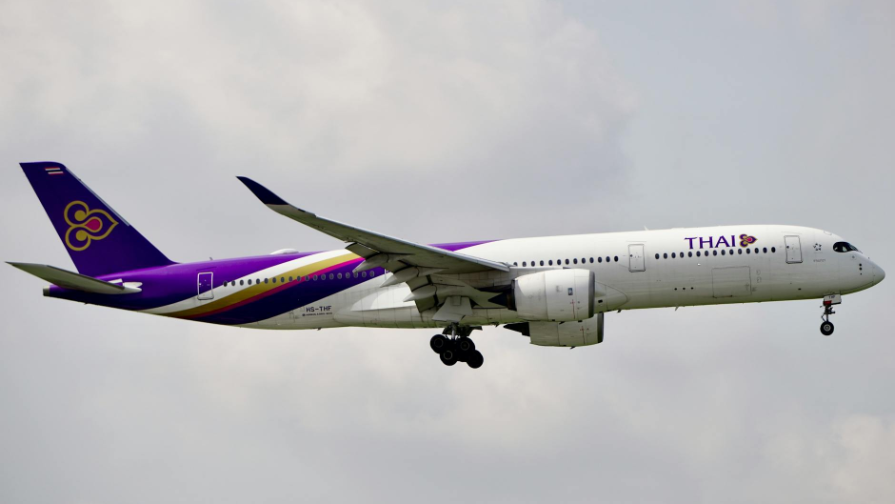
Photo: Tuan Vy Spotter (https://www.pexels.com/@tuan-vy-spotter-2152329497) / Pexels
Ghost Plane Mystery: 121 Aboard Boeing 737 Lost Consciousness Mid-Flight
In 2005, a catastrophic event involving a Helios Airways Boeing 737 etched itself into aviation history as one of the most harrowing accidents. The aircraft, carrying 121 souls, flew on autopilot for three hours before ultimately crashing into a mountainside, a chilling testament to a critical oversight.
A Fatal Oversight Before Takeoff
The disaster, flight 522 of Helios Airways, became one of the most tragic incidents in Cypriot aviation history. The events unfolded in August 2005 when the Boeing 737, en route with 121 people on board, experienced a critical failure that led to nearly everyone on board losing consciousness during its three-hour automated flight.
The chain of events leading to the disaster began before the aircraft even left Larnaca Airport. Earlier that morning, the crew identified an issue with the aircraft's pressurization system. Maintenance technicians adjusted the pressure control system to a different setting for engine testing. However, upon completing their work, the engineers neglected to reset the switch back to its automatic mode. The pilots conducting the pre-flight checks also failed to notice this crucial error, allowing the Boeing 737 to take off with its cabin pressurization system malfunctioning.
An Eerie Silence in the Sky
Approximately 15 minutes after takeoff, as the aircraft gained altitude, an alarm sounded in the cabin. The pilots misinterpreted the alarm, believing it to be related to a pre-flight issue. While the crew was investigating the technical problem, the oxygen levels in the passengers' blood began to plummet. Soon after, both the pilots and passengers succumbed to severe hypoxia, losing consciousness. The airliner continued its flight on autopilot, entering Greek airspace and circling near Athens without responding to air traffic controllers, becoming a true "ghost plane" on radar.
A Horrifying Discovery by Rescuers
To investigate the unresponsive aircraft, two Greek Air Force F-16 fighter jets were scrambled. Upon approaching the Boeing 737, they witnessed a terrifying scene: passengers and crew sat motionless in their seats, oxygen masks dangling uselessly. At one point, the military pilots observed movement inside the cockpit. It was flight attendant Andreas Prodromou, who, having managed to use portable oxygen cylinders, retained consciousness longer than others. Prodromou held a license for small aircraft piloting. He attempted to rouse the pilots and even signaled to the fighter pilots through the cockpit window. However, lacking the necessary training to operate a large passenger jet, his efforts to take control of the aircraft were ultimately unsuccessful.
Tragic Conclusion and Investigation Findings
The desperate struggle for survival ended when the Boeing's engines ran out of fuel. Around midday local time, the aircraft crashed into a mountain near the village of Grammatiko. Rescuers arriving at the crash site found no survivors. The official investigation confirmed that human error was the primary cause of this tragic event. The improperly set pressurization system, negligence in inspection protocols, and misinterpretation of alarm signals cost over a hundred lives. This disaster served as a significant lesson for the global aviation industry. Following the incident, aviation authorities in many countries were compelled to review procedures for interaction between crew and technical staff, as well as pre-flight inspection protocols.
This story was reported by Infohub.kz.


-
2005 жылы Helios Airways компаниясының Boeing 737 ұшағында болған қайғылы оқиға әлемдік авиация тарихындағы ең қорқынышты апаттардың бірі ретінде қалды. Бортында 121 адам болған лайнер үш сағат бойы автопилотпен ұшып, ақыры тауға құлады.
-
Узнайте, как работающие казахстанцы могут получить оплачиваемый отпуск для обучения, сдачи экзаменов и защиты дипломной работы согласно Трудовому кодексу.