
depositphotos.com
EU Tightens Russia Sanctions: Third Countries Face New Restrictions
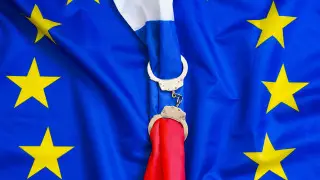
The European Union has significantly altered its sanctions strategy against Russia, introducing new measures aimed at preventing the circumvention of existing restrictions through third countries. This marks a notable shift in the EU's approach, as such measures have not previously been applied to any third nation.
Expanded Sanctions List
The latest package adds approximately 120 new items to the sanctions list, bringing the total number of sanctioned entities and individuals to nearly 2,700. The primary focus is now on countries that facilitate Russia's evasion of sanctions. In this context, a specific mechanism has been activated concerning Kyrgyzstan, marking the first time the EU has imposed restrictions on a particular third country for systematically circumventing sanctions.
Targeting Infrastructure and Vessels
Sanctions will now extend beyond Russia's borders to include its overseas infrastructure. For instance, a terminal in Indonesia and Russia's 'shadow fleet' have been added to the list of vessels banned from entering and receiving services at EU ports. This brings the total number of banned ships to 632, with 46 new vessels added.
Key Focus Areas
According to EU officials, the new sanctions concentrate on three main areas: oil revenues, the financial system, and access to technology. These measures are designed to weaken the Russian economy.
Mechanism Against Kyrgyzstan
The mechanism applied to Kyrgyzstan allows for the imposition of export restrictions if it is proven that certain goods are being re-exported to Russia. As an example, it was noted that the volume of certain goods imported into Kyrgyzstan from the EU increased by 796%, with re-exports to Russia rising twelvefold.
Financial Sector Impact
Additionally, the EU has added 20 more banks in Russia to the sanctions list, bringing the total to nearly 70. These restrictions are also expected to affect financial institutions in Central Asia.
New Restrictions and Consequences
The new sanctions include enhanced control over the sale of tankers and a complete ban on operations with Russian crypto platforms and the digital ruble. Schemes involving mutual settlement (netting) will also be prohibited.
Accountability for Actions in Occupied Territories
Individuals responsible for actions in the occupied territories of Ukraine have also been sanctioned. This includes those involved in the deportation of Ukrainian children and the illegal removal of cultural heritage from Crimea and other occupied regions.
Previous Sanctions Effectiveness
While previous EU sanctions are credited with slowing Russia's economic growth from 4.9% to 1%, it was acknowledged that this impact was 'unstable' due to rising energy prices linked to the crisis in the Middle East.
The preparation of this package reportedly took several months, with Hungary's position cited as a point of contention.
Бұл туралы Infohub.kz ақпарат агенттігі хабарлайды.

-
A 73-year-old pensioner in Kazakhstan was defrauded of her home in a scheme similar to one faced by singer Larisa Dolina. Authorities are still searching for the perpetrators.
-
Национальный перевозчик Казахстана столкнулся с огромной долговой нагрузкой. Депутат Сената предупреждает о серьезных последствиях для экономики и транзитного потенциала страны.