
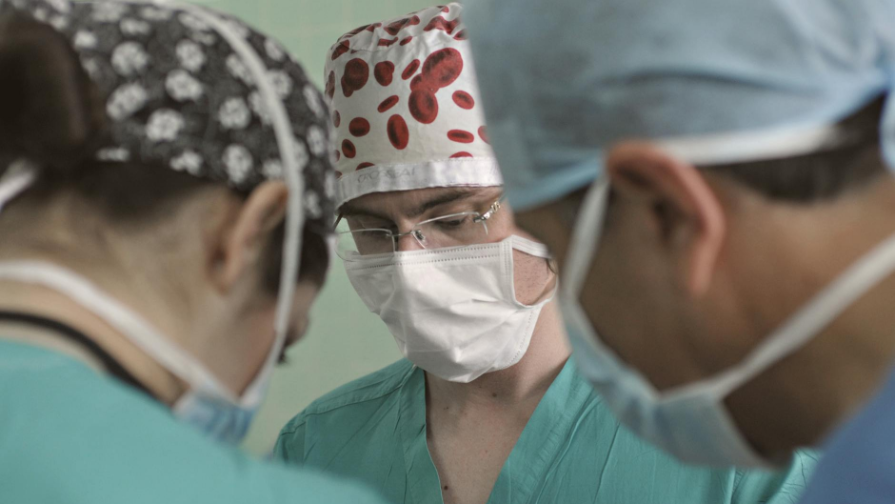
Photo: DΛVΞ GΛRCIΛ (https://www.pexels.com/@davegarcia) / Pexels
Kazakhstan Embraces Robotic Surgery: Da Vinci's Successors Revolutionize Healthcare
Kazakhstan is witnessing a significant advancement in its healthcare sector with the increasing adoption of artificial intelligence (AI) and robotic systems in surgery. These cutting-edge technologies promise to elevate the quality of surgical operations and accelerate patient recovery times.
The Dawn of a New Medical Era: Robots and AI
AI and robotic systems are ushering in a revolution in medicine, particularly in the field of surgery. In Kazakhstan, these technologies are gradually being implemented to assist surgeons, minimizing human error and increasing precision during complex procedures. While the benefits are substantial, ongoing discussions continue regarding the safety and efficacy of these advanced tools.
Robotic Surgery in Kazakhstan: Following Da Vinci's Lead
Building on the legacy of early surgical robots and the widely recognized Da Vinci system, Kazakhstan is now deploying its own robotic and navigation systems. These include notable names such as ROSA, MAKO, Cuvis, and MISSO. These systems are finding applications across various specialties, including urology, gynecology, general surgery, cardiac surgery, and neurosurgery.
Specialized navigation systems like StealthStation, along with intraoperative imaging devices such as the O-arm, are also being utilized in neurosurgery and spinal surgery. These tools provide surgeons with precise guidance, simplifying complex operations.
ROSA: Enabling New Possibilities
The ROSA robot, developed by the American company Zimmer Biomet, began its operations in Kazakhstan this year at the 'Green Clinic' in Astana. As of now, over 30 patients have undergone surgery with the assistance of this robot. According to traumatologist-orthopedist Ersin Usyn, patients who undergo robotic surgery experience faster recovery due to the precise placement of implants and prosthetics, ensuring uniform tension on ligaments and muscles.
Surgeons operating these robotic systems undergo specialized training and certification. Prior to surgery, GPS sensors are attached to the patient's legs, and CT scan results are displayed on screen, allowing for highly accurate surgical planning.
MAKO and MISSO: New Assistants in Surgery
The MAKO robotic system creates a 3D model of the joint, enabling the highly accurate placement of implants. This system is in use at the City Clinical Hospital No. 4 in Almaty, assisting in surgeries of the shoulder, elbow, knee, and hip joints. Its primary advantage lies in pre-operative planning and the reduction of potential errors.
MISSO, described as an 'intelligent surgical assistant,' participates in joint replacement surgeries. According to the Ministry of Health of the Republic of Kazakhstan, this device is employed at the National Scientific Center for Traumatology and Orthopedics in Astana.
Responsibility and Safety in the Age of AI
While the use of AI and robots in Kazakhstan's medical field expands, the ultimate responsibility for clinical decisions remains with the physicians. Current legislation designates the doctor as the primary decision-maker for diagnosis and treatment strategies, with technology serving as an assistive tool. All medical technologies undergo rigorous registration processes, including comprehensive evaluations of their clinical effectiveness, safety, and potential risks.
Patient Perspectives on Robotic Surgery
Despite some initial apprehension among patients regarding robotic surgery, those who have undergone procedures with AI assistance report minimal pain and rapid rehabilitation. For instance, Aigul Kuanzhankyzy and Sofia Askarkyzy shared their positive experiences after undergoing surgery with the ROSA robot, recovering from leg ailments and returning to their previous quality of life.
AI in Diagnostics and Innovation
AI technologies are also proving invaluable in analyzing medical images and detecting diseases at early stages. Systems for identifying breast cancer and thoracic pathologies have already been implemented. Furthermore, domestic startups are contributing innovative solutions to the medical field. Projects like Cerebra, ImmuniGuide, and NeuroGuard leverage AI to enhance diagnostics and treatment.
Institutions such as Astana Hub, QazInnovations, and the Salidat Kaiyrbekova National Center for Healthcare Development are actively supporting the advancement of these technological projects.
Бұл туралы Infohub.kz ақпарат агенттігі хабарлайды.

-
Қазақстанда жасанды интеллект пен роботтандырылған жүйелер хирургияда қолданыла бастады. Бұл технологиялар операциялардың дәлдігін арттырып, науқастардың тез сауығуына көмектеседі. Мақалада отандық және шетелдік робот жүйелері, олардың мүмкіндіктері мен болашағы туралы баяндалады.
-
Родители, пострадавшие от киностудии «Jan Production», настаивают на привлечении к ответственности известных актеров, участвовавших в продвижении.