
tengrinews.kz
Electric Cars Beyond Cities: Charging Challenges and Hybrid Advantages in Kazakhstan
Electric vehicles (EVs) are gaining traction in various regions of Kazakhstan, with Almaty leading the charge with over 10,000 registered electric cars. However, the adoption rate and charging infrastructure vary significantly across the country, prompting a closer look at the practicalities of EV ownership outside major urban centers.
EVs in Smaller Cities: A Look at 2026 Statistics
While Almaty has embraced electric mobility, other regions show a different picture. Data from the Bureau of National Statistics indicates specific numbers of registered EVs across Kazakhstan as of April 1, 2026. However, many smaller cities and rural areas still lag behind in EV adoption.
Why Hybrids Dominate in Many Regions
A key reason for the slower EV uptake in many areas is the limited availability of charging stations. Installing home charging solutions also presents an additional cost for owners. This is where hybrid vehicles offer a compelling balance between eco-friendliness and practicality. Drivers can still rely on traditional gasoline or diesel fuel, while utilizing the electric motor when convenient.
Charging Infrastructure: Where Stations Exist and Where They Don't
According to the Ministry of Transport, Kazakhstan currently has 665 electric charging stations (ECS). Data from PlugShare reveals that the majority of these stations are concentrated in the southern and central parts of the country. The eastern and western regions, however, still exhibit underdeveloped charging infrastructure.
Charging Stations on Major Highways
Along major national highways, 49 charging stations are operational. Notably, 18 of these are situated along the KAZ06 international transport corridor, a route stretching from the Russian border through Aktobe, Kyzylorda, Shymkent, and Taraz, all the way to Almaty and Khorgos.
What to Do When the Nearest Charger is 200 km Away
For EV travelers, range anxiety is a real concern. EV expert Ramil Dauletgaliyev suggests that most modern EVs can travel over 200 kilometers on a single charge. If a charge runs low and a dedicated ECS is out of reach, drivers can look for public places with standard 220-volt outlets, such as cafes or hotels, for a slower charge. Carrying a tow rope or a rigid tow bar is also recommended as a backup. In extreme cases, carrying a generator is an option, though these methods come with their own risks.
Cost Comparison: Fueling Up vs. Plugging In
The cost of electricity for charging varies. At home, electricity typically costs between 22-25 tenge per kilowatt-hour (kWh). Public charging stations charge more, ranging from 60-75 tenge per kWh. While home charging is significantly cheaper, a full charge can take 10-12 hours and may pose a risk to household electrical systems if not properly managed.
Charging Times: Home Outlets, Wallboxes, and Fast Chargers
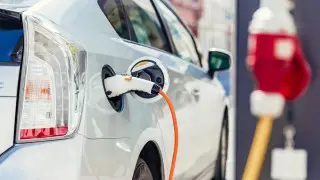
Charging via a standard 220V home outlet is a lengthy process, often taking 10-12 hours for a full charge. There's also a risk of overloading the home's electrical grid, potentially leading to short circuits or even fires.
For those without access to public ECS, installing a home charging station, known as a Wallbox, can be a viable solution. These units range in price from 100,000 to 500,000 tenge. For drivers covering 20,000-30,000 kilometers annually and utilizing off-peak electricity rates, the cost of a Wallbox can be recouped over time.
Fast DC charging stations offer a much quicker solution, typically charging an EV from 20% to 80% in 25-40 minutes. However, this speed is dependent on warm weather and a pre-heated battery. In winter, charging times can extend to 50-80 minutes due to slower battery performance in cold temperatures.
Conclusion
The primary barrier to EV adoption in areas outside major cities remains the insufficient charging infrastructure. While home charging via a standard outlet is slow and potentially unsafe, installing a dedicated home station can be a significant upfront investment. However, EV owners benefit from perks like free parking and exemption from recycling fees. Ultimately, choosing an EV as a daily driver in regions with underdeveloped charging networks is a personal decision for each driver.
Бұл туралы Infohub.kz ақпарат агенттігі хабарлайды.


-
Электромобильдердің Қазақстанның шалғай аймақтарындағы танымалдылығы, зарядтау станцияларының жетіспеушілігі және гибридтердің артықшылықтары туралы.
-
Известная казахстанская певица Женис Искакова отметила свой 60-летний юбилей. Дети подготовили для нее незабываемый сюрприз, который растрогал артистку до слез.