
Photo: Ayazhan (https://www.pexels.com/@ayazhan-3173683) / Pexels
Kazakhstan's Higher Education Costs Surge 11% Amidst New Tax Code and Inflation
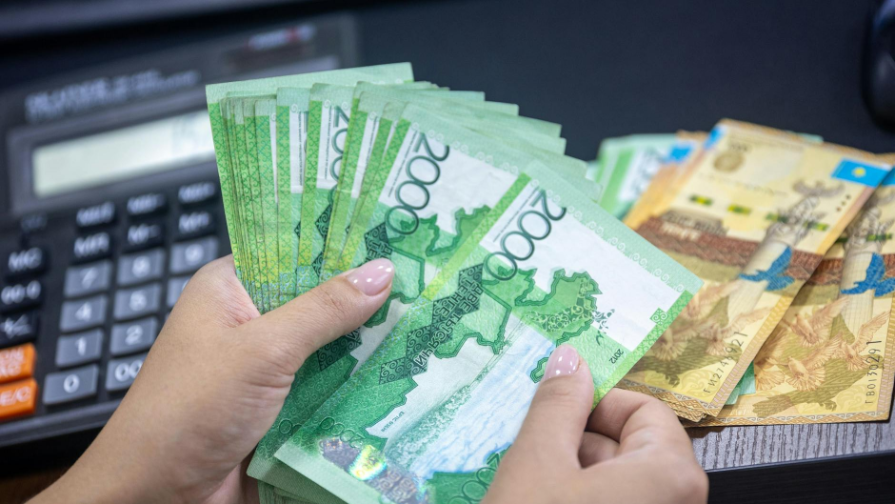
Prospective students and their parents in Kazakhstan are facing significant changes this year, with university tuition fees increasing by an average of 11%. This rise is attributed to the implementation of a new Tax Code and broader inflationary pressures affecting the cost of living and services.
A Student's Journey to Law School
For one aspiring student, Yerke, this year's National Unified Testing (NUT) was more than just an exam; it was the culmination of a three-year effort. Previously disqualified from the test for inadvertently carrying earphones in her pocket, she successfully scored 85 points this year, bringing her closer to her dream of becoming a lawyer. However, the limited number of state grants and intense competition pose challenges to achieving this goal. Yerke is prepared to enroll in a paid program if a grant is unavailable, having saved money over the past two years.
The Rising Cost of Higher Education
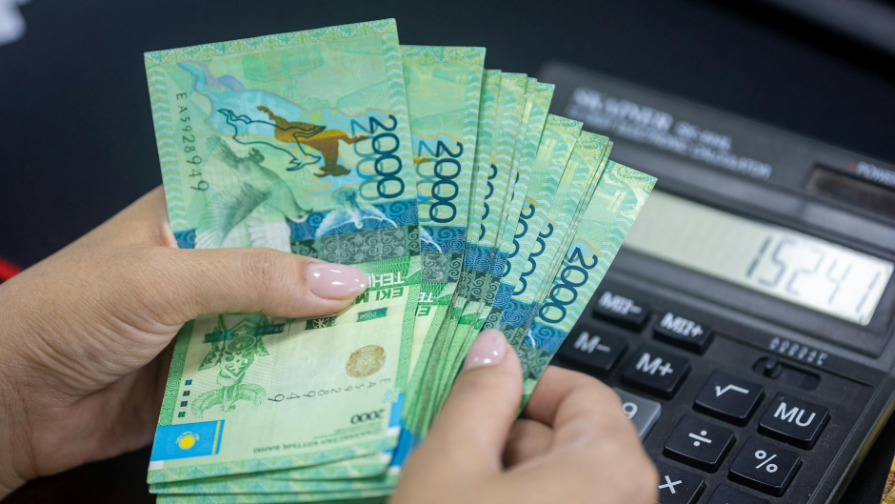
Tuition fees at Kazakhstani universities have been steadily increasing. For instance, the cost of undergraduate programs at Nazarbayev University is projected to reach $15,000 for the 2026/2027 academic year. At the Eurasian National University, a year of study ranges from 1.6 million to 1.9 million tenge. Al-Farabi Kazakh National University's fees fall between 1.1 million and 1.7 million tenge annually.
Reasons Behind the Price Hike
According to Finprom agency data, the cost of higher education services rose by 10.8% in the first quarter of 2026. This increase is linked to universities beginning to pay value-added tax under the new Tax Code, alongside the impact of inflation. The most significant tuition fee hikes were observed in the Atyrau, Turkestan, and Mangystau regions.
Student Enrollment and the Value of a Diploma
Despite the rising costs, enrollment in paid university programs has not decreased. In fact, the number of students admitted to paid departments for the 2025/2026 academic year increased by 27.6%, reaching 130,800 individuals. This trend underscores the perceived importance of a university diploma in society. The proportion of students discontinuing their studies due to financial difficulties remains relatively stable, hovering between 3% and 5.9% annually.
Regional Disparities in Higher Education
The revenue generated by higher education institutions is concentrated in Astana and Almaty, with universities in these cities accounting for 61% of the total educational services provided nationwide. Universities in other regions have significantly lower capacities and performance. For example, universities in the Mangystau region generate only 4.3 billion tenge annually, while Almaty's universities boast a figure of 310.6 billion tenge. This disparity highlights significant differences in educational quality and opportunities across the country.
This information was reported by the Infohub.kz news agency.

-
Қазақстандағы университеттерде оқу ақысы 11%-ға өсті. Бұл өзгерістерге жаңа Салық кодексі мен инфляция себеп болды. Білім алудың құны мен оның сапасы туралы толығырақ біліңіз.
-
Прекращение проекта "Союз" во Франции и трудности в российской космической отрасли дают новый импульс казахстанскому проекту "Байтерек".