

tengrinews.kz
Doctor Explains Rare Cases When Blood Type Might Seem to Change
Recent discussions on social media have sparked curiosity about whether a person's blood type can actually change. Many individuals have shared experiences where their blood type, consistent for decades, appeared to alter in recent tests. This has led to questions about the stability of this fundamental biological characteristic.
Understanding Blood Type Stability
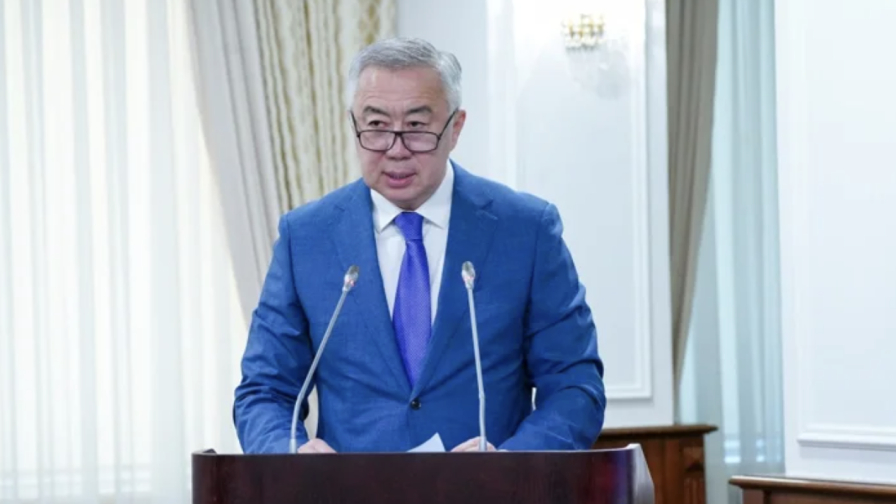
According to transfusion specialist Meruert Zhadiger, a person's blood type and Rh factor are determined by the genes inherited from their parents and remain constant throughout their life. "These data are determined by the genes a person receives from their parents and stay with them throughout their life," explains Zhadiger, who works at the Scientific and Production Center for Blood Transfusion in the department of immunohematological research and biochemical blood studies.
Rare Scenarios for Apparent Changes
Despite the general rule of lifelong consistency, Zhadiger acknowledges that discrepancies between a person's known blood type and test results can occur in rare situations. These instances, similar to those described online, can be attributed to several factors:
After Blood Transfusions
Following a blood transfusion, a temporary mix of donor and recipient cells might occur. This can lead to unstable results when determining blood type, though it's typically a transient effect.
Blood Diseases
Certain blood disorders, such as leukemias or other disruptions in blood formation, can alter the expression of antigens. This change can sometimes result in ambiguous or atypical findings during blood typing tests.
Laboratory Errors
Zhadiger points out that human error in the laboratory is the most frequent cause of such discrepancies. "The biological system of the human body itself does not break down; it is stable. The human factor intervenes in the process," she stated.
The Only True Change: Bone Marrow Transplants
The only definitive scenario where a person's blood type truly changes is after a bone marrow transplant. In this procedure, the patient's blood-forming system is replaced by that of the donor. For example, Karim Gaisin, who previously had blood type 3, now has blood type 1, matching his donor Yuri Alyoshkin, after receiving a bone marrow transplant to treat leukemia.
If you have concerns about your blood type results, Zhadiger advises repeating the test multiple times to rule out errors or temporary factors.
This information was reported by the Infohub.kz news agency.


-
Адамдардың әлеуметтік желідегі пікірлерінен кейін, дәрігер қан тобының өзгеруі мүмкін жағдайларды түсіндірді.
-
Тегеран сделал шаг к возобновлению диалога с Вашингтоном, используя Пакистан как посредника. Каковы детали предложения и каковы шансы на успех?