
Photo: Bia Limova (https://www.pexels.com/@bia-limova-1908542654) / Pexels
Kazakhstan's Construction Boom: Is it Hiding a Weak Economy?
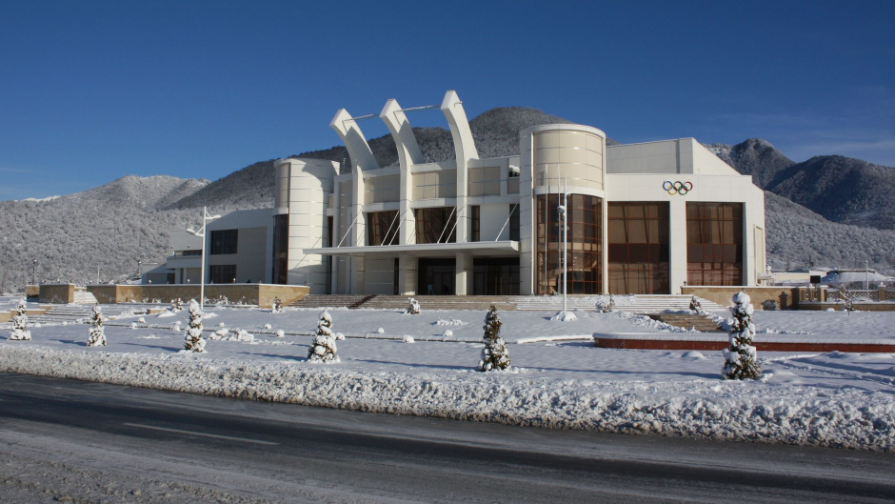
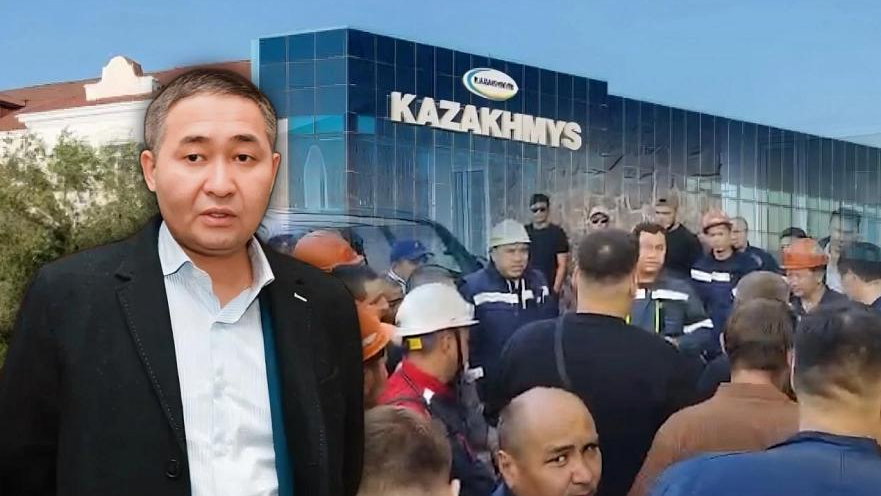
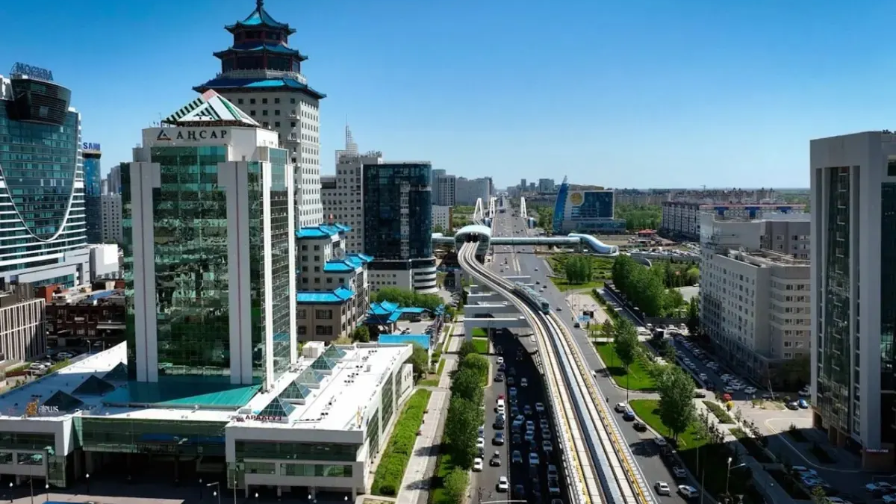
Kazakhstan's rapid construction of new facilities has long been seen as a sign of national progress. However, economist Ruslan Sultanov argues that this perception no longer accurately reflects the country's current economic reality. The issue, he explains, lies in where investments are directed: a significant portion flows into construction rather than boosting productive capacity.
Economic Momentum or Facade?
In the first quarter of 2026, investments in fixed capital grew by 6.4%, reaching a total of 3.5 trillion tenge. While this indicates a surge in investment activity, a closer look reveals a concerning trend. A substantial 66% of these investments were channeled into buildings and structures, with only 29.4% allocated to machinery and equipment. This suggests Kazakhstan is prioritizing the outward appearance of its economy over strengthening its industrial base.
The Hidden Costs of New Construction
Investments in the construction sector often yield quick visible results, but their long-term profitability is not guaranteed. Every new building incurs ongoing expenses for heating, utilities, maintenance, roads, lighting, and staffing. If these new structures do not stimulate new economic activity around them, they risk becoming a drain on the budget rather than a source of income. This is particularly problematic given the current rise in state expenditures.
Shifting Investment Landscape
While the volume of foreign direct investment (FDI) has increased, its share in total investment has fallen to a ten-year low. This signifies a reduced reliance on external capital, technology, and management standards, with the economy leaning more on domestic financing and bank loans. A negative net inflow of FDI indicates that more money is leaving the country than entering, a worrying sign for economic health.
Consumer Spending and Credit Fueling Growth
The majority of investments are currently directed towards sectors like trade, finance, transport, logistics, and information and communication. This indicates a shift in investor focus from creating new export-oriented production to catering to domestic consumption. This internal demand is largely supported by increased consumer lending. Consequently, Kazakhstan is developing a model where investment fuels construction, consumption drives the economy, and credit supports consumption, while productive capacity grows at a slower pace. This creates a risk of becoming a 'showcase economy' – one that looks impressive externally but lacks a robust internal structure.
Regional Disparities in Investment
Investment activity is unevenly distributed across regions. While some provinces have seen significant investment increases, others have experienced notable declines. For instance, Kostanay region saw a 45% decrease, Zhetysu 30.4%, and Shymkent 32.6%. Although Almaty and Astana account for 62% of total FDI, this is often due to the registration of company headquarters rather than genuine regional economic development. This situation can lead to regional investment policies being driven by statistical targets rather than actual economic growth.
The Core Question: What Should We Build?
Despite a decrease in state investment, the overall growth in investments is a positive indicator, suggesting the economy is becoming less dependent on the budget and capable of self-development. However, the increasing role of bank loans is crucial. If these loans are directed towards modernizing production, they could yield future profits. If, however, they are used for low-yield projects, they will merely maintain the outward appearance of growth. Therefore, the most critical question for Kazakhstan is not the volume of investment, but its direction. True development begins not just with building new facilities, but with the economy's ability to generate new income, technology, and productive capacity independently.
Бұл туралы Infohub.kz ақпарат агенттігі хабарлайды.

-
Қазақстан экономикасының дамуына құрылыс саласының әсері туралы экономист Руслан Сұлтановтың пікірін оқыңыз.
-
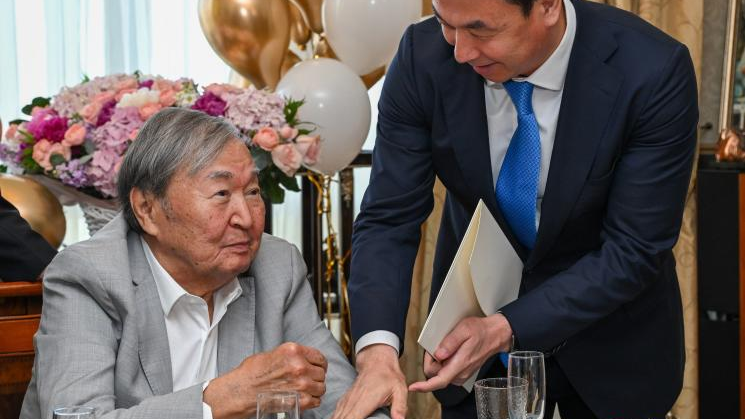
Almaty Mayor congratulates renowned writer and public figure Olzhas Suleimenov on his 90th birthday, honoring his significant contributions to literature and society.